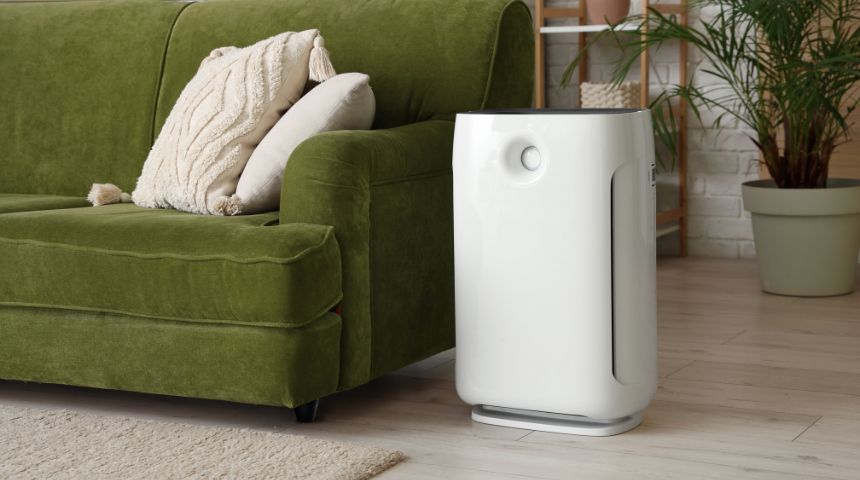
A Practical Guide to the Best Air Purifiers for Your Home
Air purifiers aren’t just for wildfire season or people with allergies anymore. Between pollen, pet dander, cooking odors and the everyday dust that somehow appears five minutes after you clean, a good purifier can make your home feel noticeably fresher, especially in bedrooms and main living areas. The best model for you comes down to three things: the size of the room, the kind of filtration you need and how much noise (and ongoing filter cost) you can live with.
Below are different options for air purifies for your home that cover the most common needs, plus the pros and cons of each.
What to Look For Before You Buy
- Room size and CADR. Most reputable brands list a recommended room size and a CADR (Clean Air Delivery Rate). Higher CADR generally means faster cleaning. If you’re between sizes, sizing up is usually better—running a bigger unit at a lower fan speed is often quieter.
- True HEPA (or HEPA-grade) filtration. For allergies, smoke and fine dust, HEPA is the workhorse. Many units also include a carbon filter for odors (pets, cooking, VOC-like smells). If odors are your priority, look for “substantial carbon," not a thin sheet.
- Noise and sleep-friendliness. Bedrooms demand low noise and dimmable lights. A “sleep mode" is great, but check real-world decibel claims and user reviews.
- Filter costs. The device price is only half the story. Filters can run anywhere from $30 to $150+ per year depending on model and usage.
Top Air Purifiers for Home Use
Best Overall: Coway Airmega AP-1512HH (Mighty)
The Coway Airmega AP-1512HH is a long-time favorite because it hits the sweet spot of performance, price and reliability for typical bedrooms and living rooms. It's good for most people who want a dependable purifier for a medium room without overthinking it.
Pros
- Strong all-around performance for dust, pollen and smoke.
- Generally quiet on lower settings.
- Solid value with widely available replacement filters.
Cons
- Not ideal for very large open-plan spaces.
- Odor control is good, but not the best in this list for heavy smells.
Best for Large Rooms: Blueair Blue Pure 211i Max
The Blueair Blue Pure 211i Max has big airflow, quick cleaning and a simple setup that makes it a great option for larger living rooms or open areas. These features make it a great option for large living rooms, open-plan apartments or anyone who wants one unit to do heavy lifting.
Pros
- High air throughput—great for bigger spaces.
- Easy filter changes and straightforward operation.
- Modern design that blends into living areas.
Cons
- Replacement filters can be pricey.
- Larger footprint than compact models.
Best for Smoke and Odors: Austin Air HealthMate
The Austin Air HealthMate is the “serious" pick. It's built like a tank with substantial carbon and long filter life, and is often chosen for smoke-prone areas. Homes dealing with recurring smoke, strong cooking odors or households that prioritize “set it and forget it" durability over smart features will love this choice.
Pros
- Excellent odor control thanks to heavy-duty carbon.
- Durable build; designed for continuous operation.
- Long filter replacement intervals (varies by conditions).
Cons
- Expensive upfront.
- Not as feature-rich (app controls, flashy sensors) as newer models.
- Heavier and less portable.
Best Smart Features: Dyson Purifier Cool (TP series)
Dyson combines purification with a fan and leans hard into sensors, reporting and a polished app experience. This option is ideal for people who care about smart dashboards, air-quality monitoring and a two-in-one fan for bedrooms or offices.
Pros
- Excellent app, reporting, and “what’s in your air" feedback.
- Doubles as a cooling fan.
- Premium design and strong brand support.
Cons
- High price for the amount of clean-air output versus some competitors.
- Filters can be costly.
- Fan/purifier combo isn’t always as efficient as a dedicated high-CADR box.
Best Budget Pick: Levoit Core 300 / Core 300S
The Levoit Core 300 is affordable, compact and effective for small-to-medium rooms, especially bedrooms. If you have an apartment, dorm or nursery and want a solid purifier without spending big, this is the option for you.
Pros
- Great entry price and easy to place anywhere.
- Quiet enough for sleeping on low.
- Widely available replacement filters (often with options for odor/pet focus).
Cons
- Not powerful enough for large rooms.
- Odor control depends heavily on which filter you buy and how much carbon it contains.
How to Choose the Right One for Your Home
- For a bedroom. Start with Coway AP-1512HH or Levoit Core 300/300S. Prioritize quiet operation and a dim/off display.
- For a large living room. Blueair 211i Max is a strong fit if you want noticeable air movement and faster cleaning.
- For smoke or stubborn odors. Austin Air HealthMate is the upgrade pick if odor control is non-negotiable.
- For smart-home convenience. Dyson is the premium “experience" option—best if you value the app and fan function as much as filtration.