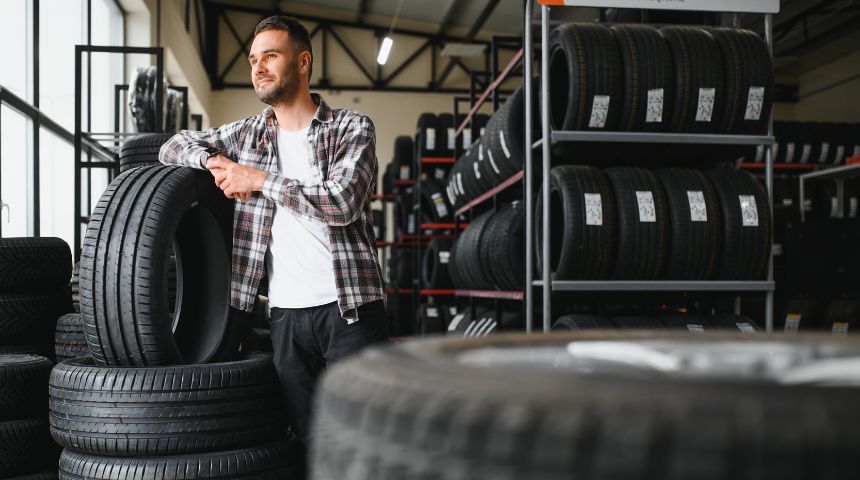
Tips for Buying New Car Tires
Buying new car tires can feel overwhelming if you’re not sure what to look for. With so many sizes, brands and price points, it’s easy to overspend, or end up with tires that don’t fit your driving needs. Whether you’re replacing worn tires or upgrading for better performance, understanding the basics can help you make a smart, confident decision.
Why Choosing the Right Tires Matters
Tires affect almost every aspect of driving, including safety, fuel efficiency, handling and ride comfort. The right set of tires can improve braking distance, traction in bad weather and overall control. The wrong ones can wear out quickly or perform poorly in conditions you drive in every day.
Understanding Different Types of Tires
Before shopping, it’s important to know which type of tire fits your vehicle and lifestyle.
All-Season Tires
All-season tires are the most common choice for American drivers. They’re designed to handle a wide range of conditions, including dry roads, rain and light snow. While they don’t excel in extreme weather, they offer convenience and solid performance year-round.
Summer Tires
Summer tires provide excellent grip and handling in warm weather. They’re popular for sports cars and performance vehicles but are not suitable for cold temperatures or snow.
Winter Tires
Winter tires are made with softer rubber and deeper tread patterns to improve traction in snow, ice and freezing conditions. If you live in a northern state with harsh winters, they’re worth considering—even if it means switching tires seasonally.
All-Terrain and Truck Tires
For trucks and SUVs, all-terrain or off-road tires offer better durability and traction on gravel, dirt and uneven terrain. These are ideal for drivers who tow, haul or frequently drive off paved roads.

Related Search Topics (Ads)
What to Look For When Buying Tires
Correct Size and Specifications
Always start by checking your vehicle’s owner’s manual or the tire information sticker inside the driver’s door. This tells you the correct tire size, load rating and speed rating recommended by the manufacturer.
Tread Life and Warranty
Tires come with treadwear ratings and mileage warranties. While higher-rated tires often cost more upfront, they may last longer and provide better value over time.
Weather Performance
Look for tires that match your climate. Features like the “M+S” (Mud and Snow) marking or the three-peak mountain snowflake symbol indicate better performance in winter conditions.
Fuel Efficiency
Some tires are designed to reduce rolling resistance, which can improve gas mileage. This is especially helpful for commuters and long-distance drivers.
What to Avoid When Buying Tires
Avoid choosing tires based on price alone. Cheap tires may wear out faster, perform poorly in wet conditions or lack proper warranties. It’s also a good idea to avoid mixing different tire brands or types on the same axle, as this can affect handling and stability.
Buying used tires is another risk. You may not know their history, and hidden damage or uneven wear can compromise safety.
How to Find Deals on Tires
Timing matters when it comes to saving money. Many retailers offer discounts during holiday weekends like Memorial Day, Labor Day and Black Friday. Manufacturer rebates are also common and can significantly lower the final cost.
Shopping online allows you to compare prices easily, but always factor in installation costs. Some deals look great until mounting, balancing and disposal fees are added.
Where to Buy Tires and Get Installation
Many drivers prefer buying tires from retailers that also handle installation. National chains, local tire shops, dealerships and warehouse clubs often offer tire packages that include mounting, balancing and warranties.
Buying from a trusted installer ensures the tires are properly fitted and balanced, which helps prevent uneven wear and vibration. Some shops also include free tire rotations and flat repairs, adding long-term value.
Popular Tire Brands to Consider
- Mopar. Mopar tires are designed specifically for Chrysler, Dodge, Jeep and Ram vehicles. Buying Mopar tires through a dealership ensures factory-recommended fit, performance and compatibility, especially for trucks and SUVs.
- Michelin. Michelin is known for premium quality, long tread life and excellent performance in both wet and dry conditions. They’re often more expensive but highly rated for durability.
- Goodyear. Goodyear offers a wide range of tires for everyday vehicles, trucks and performance cars. Their tires are widely available and well-reviewed.
- Bridgestone and Firestone. Bridgestone and Firestone provide reliable options across many price points, with strong dealer networks throughout the U.S.
- Continental, Pirelli and BFGoodrich. Brands like Continental, Pirelli and BFGoodrich are also popular for performance, off-road capability and specialized driving needs.
Drive Safely!
Buying new car tires doesn’t have to be complicated. By understanding tire types, knowing what to look for, avoiding common mistakes and shopping smart, you can find tires that fit your vehicle, budget and driving habits. The right tires not only improve performance, they help keep you and your passengers safe on the road.