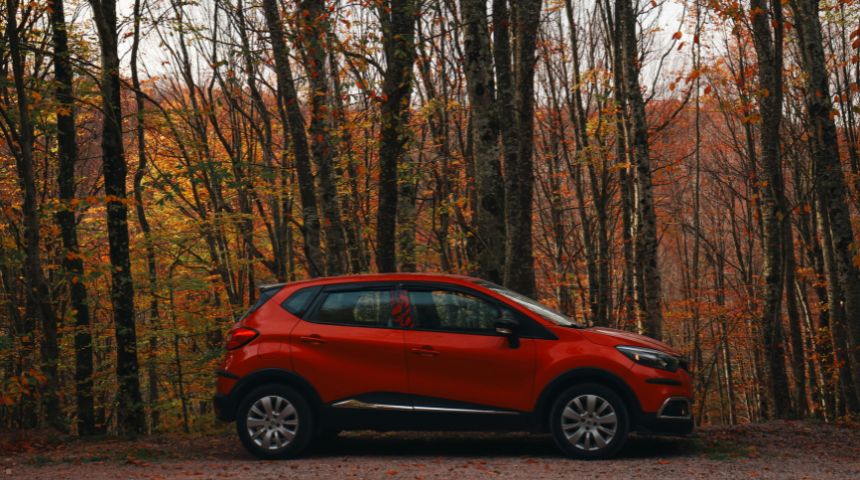
Shop Smarter for New Vehicles
Hybrid and electric SUVs are among the most popular vehicles on the road today. They offer efficiency, reduced fuel costs and, increasingly, strong performance and tech features that rival traditional gas vehicles. With many models available and incentives on both new and used vehicles, savvy shoppers can secure excellent deals — if they know where to look and how to approach the process. Here’s a step-by-step guide to finding the best deals on hybrid and electric SUVs in the U.S.
1. Understand Federal and Local Incentives
One of the biggest opportunities for savings comes from government incentives. Under the federal Clean Vehicle Tax Credit, buyers may be eligible for up to $7,500 off a new qualifying vehicle at the point of sale — including many hybrids and electric SUVs — or up to $4,000 on qualifying used electric vehicles. These credits apply only if income and other requirements are met, and there are price caps on eligible vehicles.
In addition to federal credits, many states and local utilities offer their own rebates or incentives ranging from cash rebates to special financing or reduced registration fees. Research what’s available where you live or where you plan to buy, because these savings stack with federal incentives.
2. Shop Both New and Used
While new vehicles often get the spotlight, used hybrid and electric SUVs can offer huge value. Prices on used electrified vehicles have softened in recent years as more off-lease vehicles enter the market. For buyers willing to do homework and check battery condition/warranty, this can be a sweet spot for savings.
When looking at used deals, tools like iSeeCars can help you compare listings and pricing nationwide so you can find competitive pricing rather than settling for the first local offer. Just remember that battery health and remaining warranty are critical for used EVs — a poor battery can dramatically reduce value.
3. Leverage Member and Program Discounts
Beyond government incentives, pre-arranged pricing programs can provide real savings. For example, programs like Costco’s Auto Program offer member-only pricing and incentives at approved dealerships, often lowering the sticker price before negotiation even begins.
If you’re part of a membership program or employer affinity group that partners with auto pricing plans, it’s worth exploring these options. They’re often under-utilized and can be combined with other incentives.
4. Compare Lease vs. Purchase Deals
Whether to lease or buy can dramatically impact your bottom line. Leasing often offers lower monthly payments and the chance to drive newer technology more frequently. Because manufacturers can apply tax credits directly to lease pricing, you might find especially compelling monthly numbers.
Buying makes sense if you plan on keeping the SUV for many years — especially if you aim to maximize total cost of ownership and avoid mileage limits. The best strategy is to calculate total costs over your intended ownership period, including insurance, charging/fuel costs and resale value.
5. Time Your Purchase Strategically
Seasonality and timing can influence price. The end of a month, quarter or year often sees dealers trying to meet sales targets, which can make them more willing to lower prices or offer incentives. End-of-model-year clearances and holiday sales events (like Presidents’ Day or end-of-year promotions) can also yield discounts.
For used SUVs, shopping right after the summer — when supply typically expands as people trade in older models — can give you a broader selection and greater bargaining leverage.
6. Do Your Homework Online
Before setting foot on a lot, gather as much pricing data as you can. Online tools and marketplaces let you compare dealer offers, lease specials and financing incentives. Sites like TrueCar show current EV deals, including low-APR financing and lease deals with modest monthly payments on popular hybrids and electric SUVs.
Using multiple online platforms gives you leverage when negotiating: if one dealer sees that another is offering a better price, they may be willing to match or beat it.
7. Negotiate Like a Pro
Even with incentives in place, the price you walk away with can depend heavily on negotiation. Don’t hesitate to:
- Ask dealers to match or beat competitor quotes. It’s a well-known tactic that often works if you show competing offers.
- Negotiate on the “out-the-door" price. This includes taxes and fees, not just the sticker price.
- Be prepared to walk away if the deal doesn’t meet your budget. Dealers know serious buyers will leave, and they may revisit their offer.
8. Factor in Ownership Costs
Finally, the “best deal" isn’t just about the sticker price. Evaluate long-term costs like charging infrastructure (home charger installation), insurance premiums and expected maintenance. While hybrids often cost less to maintain than full EVs, both save on fuel costs compared with traditional SUVs.
Finding a great deal on a hybrid or electric SUV takes research, patience and a bit of strategy — but the payoff can be significant. By understanding incentives, timing your purchase, comparing lease and purchase options and negotiating smartly, you’ll be well-positioned to get maximum value on your next eco-friendly SUV.