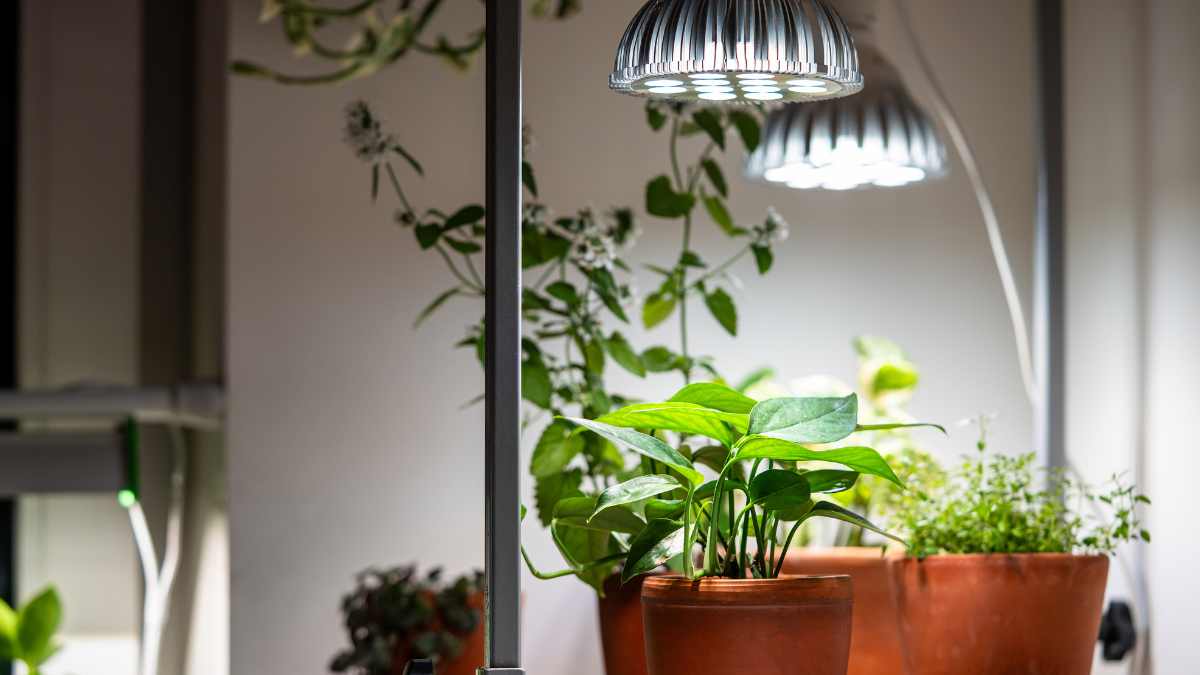
Indoor gardening has never been more popular, and with the right grow lights, your houseplants, herbs, and vegetables can thrive year-round. If you’re wondering which grow lights are worth your time and money, this guide breaks down the best options in simple language.
Why Indoor Grow Lights Matter
Plants need light to grow. Sunlight provides a full range of wavelengths that plants use for photosynthesis. Indoors, natural light is often not strong enough, especially in winter or in rooms without bright windows. That’s where grow lights help by giving plants the light energy they need.
Grow lights can support:
- Stronger and healthier plant growth
- Better leaf color and texture
- Improved flowering and fruit production
- Faster seed germination
Types of Grow Lights (Simple Breakdown)
1. LED Grow Lights
LED grow lights are the most popular choice today. They are energy-efficient, long-lasting, and produce very little heat. Many LED lights offer a full spectrum that mimics natural sunlight, making them suitable for most indoor plants.
Best for: Beginners, houseplants, herbs, and all-purpose growing.
2. Fluorescent Grow Lights
Fluorescent lights, such as T5 grow tubes, are a budget-friendly option. They work well for seedlings and leafy greens because they provide gentle light without overheating plants.
Best for: Seed starting, herbs, lettuce, and low-to-medium light plants.
3. HID Grow Lights
HID (High-Intensity Discharge) lights are powerful and often used in larger indoor growing setups. They produce strong light but also generate more heat and use more electricity than LEDs.
Best for: Advanced growers and large flowering or fruiting plants.
Best Grow Lights for Indoor Plants
Best Overall Option: Full-Spectrum LED Grow Light
A full-spectrum LED grow light is the top choice for most indoor gardeners. It supports plants from seedlings to mature growth stages. These lights are efficient, easy to install, and safe to use in small indoor spaces.
- Energy efficient and long-lasting
- Low heat output
- Works for all growth stages
- Often includes timers and dimming options
Best for Small Spaces: Compact LED Grow Panels
If you have limited room, such as a kitchen counter or small plant shelf, compact LED panels are a great solution. They provide enough light for herbs and small houseplants without taking up much space.
- Lightweight and slim design
- Great for apartments and shelves
- Good for herbs and smaller plants
Best Budget Option: Fluorescent T5 Grow Lights
Fluorescent T5 lights are affordable and effective for beginners. They provide even light coverage and are especially useful for seedlings, leafy greens, and simple indoor gardens.
- Lower cost than most LED systems
- Even light distribution
- Excellent for early plant growth
Best for Large Indoor Gardens: HID Grow Light Kits
For growers with bigger indoor setups or those focused on maximizing yields, HID lights can deliver intense brightness. However, they require proper ventilation due to heat production.
- High light intensity for big plants
- Strong option for flowering and fruiting
- Better suited for advanced setups
Key Features to Look For in a Grow Light
Light Spectrum
Plants use different wavelengths of light at different stages. Blue light supports leafy growth, while red light supports flowering. Full-spectrum lights provide a balanced mix, making them ideal for most indoor plants.
Coverage Area
Grow lights come in different sizes and strengths. Always check how much space the light can cover so your plants get enough brightness.
Heat Output
LEDs stay cooler than HID lights, which makes them safer and easier to manage indoors. Too much heat can dry out or damage plants.
Adjustability
Lights with adjustable height or dimming features let you control intensity as your plants grow, helping prevent leaf burn or stretching.
Tips for Using Grow Lights Successfully
- Keep lights at the recommended distance above your plants.
- Most plants need about 12–16 hours of light per day.
- Use a timer for consistency and convenience.
- Watch plant growth—stretching or yellowing may mean adjustments are needed.
- Whenever possible, combine grow lights with natural sunlight.
Final Thoughts
The best grow light depends on your indoor space and plant goals. Full-spectrum LED grow lights are the most versatile choice for most people, while fluorescent lights are excellent for beginners and seedlings. HID systems are powerful but better suited for larger, advanced setups.
With the right grow light, you can enjoy healthy indoor plants and even grow fresh herbs and vegetables year-round.