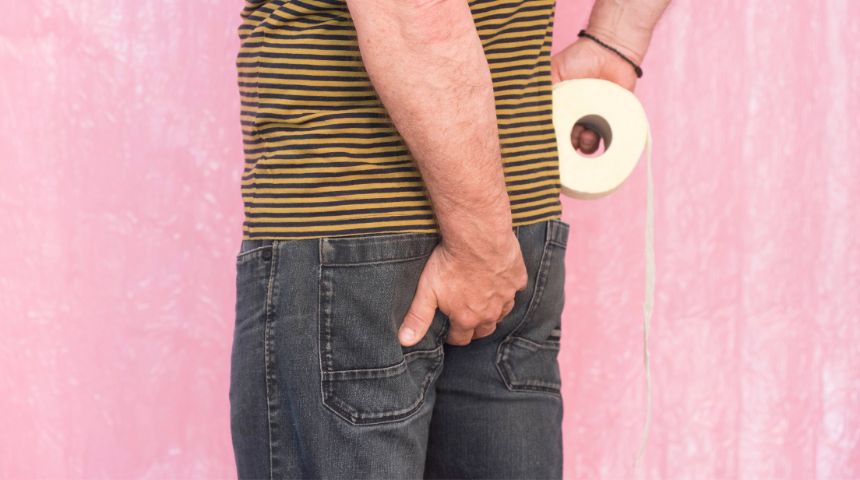
Treatments, Creams and Natural Relief
Hemorrhoids are a common but uncomfortable condition. These swollen veins in the lower rectum or anus can cause itching, pain, bleeding and irritation. While severe or persistent cases may require medical intervention, many people can manage hemorrhoids effectively at home. From over-the-counter medicines to natural remedies, here are practical ways to find relief and promote healing. Keep reading to learn how to manage hemorrhoids at home.
Understanding Hemorrhoids
Hemorrhoids develop when veins around the anus or rectum become swollen due to increased pressure. Contributing factors include straining during bowel movements, chronic constipation, prolonged sitting, pregnancy or obesity. They are typically categorized as:
- Internal hemorrhoids. Occur inside the rectum, often painless but may cause bleeding.
- External hemorrhoids. Found under the skin around the anus, often painful and itchy.
- Thrombosed hemorrhoids. External hemorrhoids that form a blood clot, causing severe pain and swelling.
Knowing the type can help guide treatment choices.
Over-the-Counter Medicines
For mild to moderate hemorrhoids, over-the-counter (OTC) medications can provide quick relief.
1. Pain Relievers
Non-prescription pain relievers such as acetaminophen (Tylenol), ibuprofen (Advil) or aspirin can reduce discomfort, especially during flare-ups. Ibuprofen and aspirin also help with inflammation.
2. Stool Softeners and Fiber Supplements
Constipation and straining often worsen hemorrhoids. OTC stool softeners like docusate sodium can make bowel movements easier. Fiber supplements such as psyllium (Metamucil) or methylcellulose (Citrucel) help prevent constipation and reduce straining by adding bulk and softness to stools.
Topical Creams and Ointments
Topical treatments are among the most common and effective ways to relieve hemorrhoid symptoms.
1. Hydrocortisone Creams
Creams containing hydrocortisone help reduce itching, swelling and redness. They should only be used short-term (usually under a week) to avoid skin thinning.
2. Witch Hazel Pads
Pre-moistened pads with witch hazel, such as Tucks pads, provide soothing relief for pain and itching. Witch hazel is a natural astringent that reduces inflammation and irritation.
3. Lidocaine Ointments
Lidocaine-based creams numb the affected area, reducing pain and burning sensations. These are useful for quick symptom control but do not address underlying inflammation.
4. Combination Products
Many hemorrhoid creams combine ingredients like hydrocortisone, witch hazel and lidocaine for multipurpose relief. These products are widely available in pharmacies.
Natural Relief Options
In addition to medicines and creams, several natural remedies can provide comfort and promote healing.
1. Warm Sitz Baths
Soaking the anal area in warm water for 10–15 minutes, two to three times a day, is one of the most effective home treatments. A sitz bath helps reduce swelling, improve circulation and relax the muscles around the anus.
2. Cold Compresses
Applying an ice pack or cold compress for 10–15 minutes at a time can reduce swelling and numb pain. Be sure to wrap the ice in a cloth to avoid direct contact with the skin.
3. Aloe Vera
Pure aloe vera gel has natural anti-inflammatory properties and can soothe itching and irritation. It is important to use pure, fragrance-free aloe to prevent additional irritation.
4. Epsom Salt Baths
Adding Epsom salts to a warm bath may enhance its soothing effect. The salts can reduce inflammation and promote relaxation.
5. Dietary Changes
Eating a high-fiber diet rich in fruits, vegetables, legumes and whole grains is essential for long-term hemorrhoid management. Adequate hydration (6–8 glasses of water daily) also prevents constipation and reduces straining.
6. Proper Hygiene
Keeping the anal area clean and dry is critical. Use unscented, gentle wipes or warm water after bowel movements instead of harsh toilet paper. Avoid excessive scrubbing, which can worsen irritation.
Lifestyle Adjustments
Hemorrhoids often develop due to daily habits, so making small changes can reduce symptoms and prevent recurrence.
- Avoid prolonged sitting. Sitting for long periods, especially on the toilet, increases pressure on anal veins.
- Exercise regularly. Moderate physical activity improves digestion and reduces constipation risk.
- Respond promptly to urges. Don’t delay bowel movements, as waiting can harden stools and increase straining.
- Elevate feet during bowel movements. Using a small footstool to elevate your feet can align the rectum better and ease passage.
When to See a Doctor
While many hemorrhoids improve with home care, it’s important to seek medical attention if you experience:
- Persistent or heavy rectal bleeding.
- Severe pain that doesn’t improve with home treatments.
- A hard lump near the anus (possible thrombosed hemorrhoid).
- Symptoms that worsen despite treatment.
Doctors may recommend procedures like rubber band ligation, sclerotherapy or surgical removal in severe cases.
Hemorrhoids can be painful and disruptive, but most mild to moderate cases can be managed effectively at home. Over-the-counter medications, topical creams and natural remedies like sitz baths or cold compresses provide significant relief. Combined with dietary changes and healthy habits, these treatments can reduce symptoms and prevent recurrence.
If symptoms persist or worsen, professional medical advice is essential. With the right care, relief is possible, and quality of life can improve dramatically.
The information on this website is for general educational purposes only and is not a substitute for professional medical advice. Always consult your doctor or qualified healthcare provider before making changes to your health, diet or treatment plan.