A Traveler’s Guide to Culture, History and Adventure
Spain is one of Europe’s most captivating destinations, blending rich history, vibrant culture, stunning landscapes and world-famous cuisine. From the architectural wonders of Barcelona to the sun-drenched beaches of the Costa del Sol and the flamenco rhythms of Andalusia, Spain offers unforgettable experiences in every region. Whether you're a history lover, foodie, beachgoer or adventurer, this guide highlights the top travel destinations in Spain—plus practical info on tickets, timing and what to expect.
1. Explore the Sagrada Família in Barcelona
One of Spain’s most iconic landmarks, the Sagrada Família is an architectural masterpiece designed by Antoni Gaudí. Still under construction after more than 140 years, the basilica features towering spires, intricate facades and a breathtaking interior filled with light and color.
Entry costs around €26, and guided tours or audio guides are highly recommended to fully appreciate the design and symbolism. It’s best to book tickets online in advance, as time slots often sell out, especially during peak tourist months.
2. Walk the Alhambra in Granada
Perched on a hill overlooking Granada, the Alhambra is a magnificent palace and fortress complex that showcases Spain’s Moorish history. Its detailed Islamic architecture, tranquil courtyards and views of the Sierra Nevada mountains make it one of the most visited attractions in Spain.
Admission typically costs around €20, and advance booking is essential. It's advised to get tickets weeks in advance during the spring and summer. Plan at least half a day to explore the Nasrid Palaces, Generalife gardens and Alcazaba fortress.
3. Tour the Royal Palace of Madrid
The Royal Palace of Madrid (Palacio Real) is the largest royal residence in Europe by floor area and remains the official home of the Spanish royal family, though they do not live there full-time. The palace showcases opulent rooms, historical artifacts, and classical art.
Entry costs about €12, and you can explore with an audio guide or join a guided tour. Arrive early to avoid long lines or book your ticket online to secure your time slot. The nearby Almudena Cathedral is also worth a visit.
4. Enjoy Flamenco in Seville
Seville is the cultural heart of Andalusia and the birthplace of flamenco. A live flamenco performance is a must-see experience in Spain, combining passionate music, singing and dance.
Some of the best places to see flamenco include La Casa del Flamenco and El Palacio Andaluz. Tickets range from €15 to €35 depending on the venue. It’s best to reserve in advance, especially on weekends or during festivals.
5. Stroll Through Park Güell
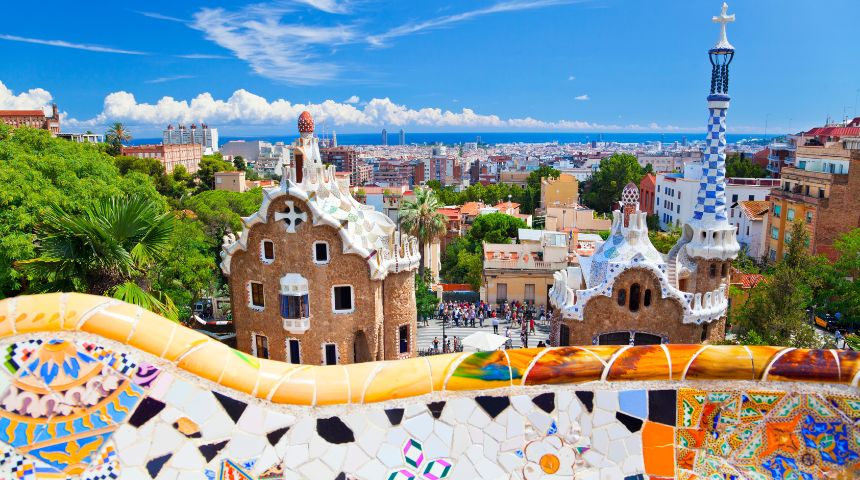
Another Gaudí masterpiece, Park Güell in Barcelona is a colorful and whimsical park filled with mosaic art, stone structures and panoramic views of the city. It’s a perfect spot for a relaxed afternoon of sightseeing and photography.
General admission to the Monumental Zone is about €10, and advance booking is recommended as only a limited number of visitors are allowed per hour. Early mornings or late afternoons are ideal for avoiding crowds and catching the best light for photos.
6. Discover the Prado Museum in Madrid
Art lovers shouldn’t miss the Museo del Prado, home to one of the world’s finest collections of European art. Highlights include works by Goya, Velázquez, El Greco and Bosch.
Tickets cost around €15, with discounts for students and seniors. Free entry is available during the final two hours of operation each day but expect longer lines during this time. Allocate a few hours to see the major exhibits.
7. Relax on the Beaches of Costa Brava or Costa del Sol
Spain’s coastline offers a variety of beach experiences. The Costa Brava in the northeast features rugged cliffs, hidden coves and charming seaside villages like Cadaqués. In the south, the Costa del Sol boasts sandy beaches, resort towns and nearly year-round sunshine.
Popular destinations include Marbella, Nerja and Tossa de Mar. Summer is the high season, but late spring and early fall offer great weather with fewer tourists.
8. Sample Tapas and Local Cuisine
Spanish food is reason enough to visit the country. Every region has its own specialties—try tapas in Seville, pintxos in San Sebastián, paella in Valencia and jamón ibérico across the country.
Joining a local food tour is a great way to discover traditional dishes and hidden gems. Markets like Mercado de San Miguel in Madrid or La Boqueria in Barcelona offer delicious bites in a lively setting.
Best Time to Visit Spain
The best times to visit Spain are in the spring (April to June) and fall (September to October), when the weather is pleasant and crowds are more manageable. Summer is great for beach vacations but can be very hot, especially inland. Winter is low season in most areas except for ski resorts and the Canary Islands, which enjoy warm weather year-round.
Enjoy Your Travels!
Spain is a country where ancient history and modern vibrancy meet. Whether you’re admiring Gaudí’s creations, dancing to flamenco rhythms, exploring ancient palaces or savoring tapas in a sunlit plaza, the experiences are unforgettable. Plan ahead, pace yourself and embrace the country’s relaxed, joyful energy. With so much to see and do, Spain is a destination you’ll want to visit again and again.