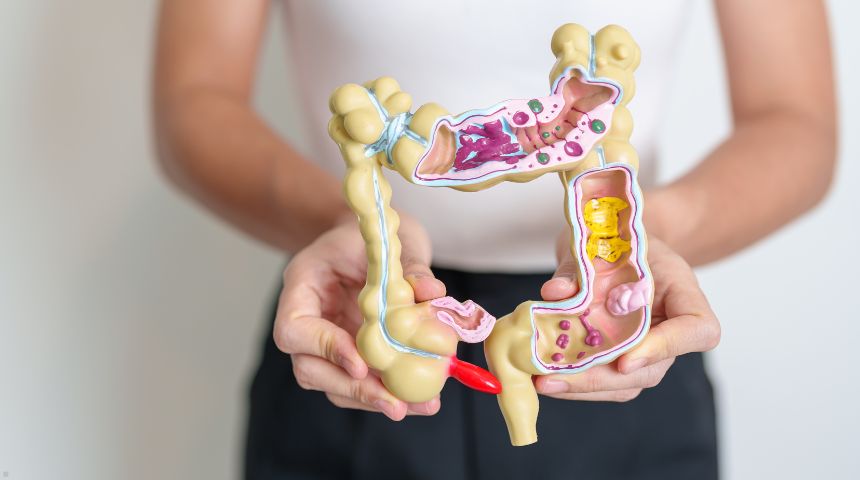
Ulcerative Colitis Treatments: A Complete Guide
Ulcerative colitis (UC) is a chronic inflammatory bowel disease that affects the lining of the colon and rectum. It can cause symptoms like abdominal pain, diarrhea, fatigue and weight loss. While there is no cure, several treatment options can help manage symptoms and keep the condition in remission. This guide covers the most ulcerative colitis treatments, including medications, dietary changes and lifestyle tips to help you live more comfortably.
Medications to Control Inflammation
The primary goal of UC treatment is to reduce inflammation in the colon. Several medications can help with this, depending on the severity of your condition:
- Aminosalicylates (5-ASAs). These are often the first line of treatment for mild to moderate UC. Medications like mesalamine (Asacol, Pentasa, Lialda), sulfasalazine and balsalazide help reduce inflammation in the intestinal lining.
- Corticosteroids. Used for short-term flare-ups, corticosteroids such as prednisone or budesonide help reduce inflammation quickly. However, long-term use can lead to side effects like weight gain, mood swings and bone thinning.
- Immunomodulators. These medications suppress the immune system to reduce chronic inflammation. Common examples include azathioprine (Imuran) and 6-mercaptopurine (Purinethol). They are typically used when other drugs haven’t been effective.
- Biologics. Biologic therapies are often used for moderate to severe UC. These include anti-TNF agents like infliximab (Remicade), adalimumab (Humira) and golimumab (Simponi). Other biologics like vedolizumab (Entyvio) and ustekinumab (Stelara) target different parts of the immune system to reduce inflammation.
- Janus kinase (JAK) inhibitors. Tofacitinib (Xeljanz) is an oral medication for adults with moderate to severe UC. It works by blocking specific enzymes that contribute to the inflammatory process.

Therapies for Long-Term Management
While medications are essential, other therapies can support long-term management and improve quality of life:
- Fecal microbiota transplant (FMT). This experimental therapy involves transplanting stool from a healthy donor into a person with UC. The goal is to restore a healthy balance of gut bacteria. Research is ongoing, but some studies show promising results.
- Surgery. In severe cases, surgery to remove the colon and rectum (proctocolectomy) may be necessary. This is often considered when medications fail or when there is a high risk of colon cancer. After surgery, a person may need a permanent or temporary ileostomy or have a J-pouch created to collect waste.
- Counseling and mental health support. Living with a chronic illness like UC can take a toll on mental health. Therapy or counseling can help manage anxiety, depression or stress, which can, in turn, reduce the frequency of flare-ups.
Diet Tips to Help Manage Symptoms
While diet doesn’t cause ulcerative colitis, certain foods can worsen symptoms or trigger flare-ups. Making smart dietary choices is essential for managing UC:
- Low-fiber diet during flare-ups. High-fiber foods like raw vegetables, popcorn and nuts can irritate the colon during active flare-ups. Opt for softer, low-residue foods such as white rice, bananas and steamed vegetables.
- Avoid trigger foods. Common triggers include dairy, caffeine, alcohol, spicy foods and greasy meals. Keeping a food journal can help identify what worsens your symptoms.
- Stay hydrated. Diarrhea can lead to dehydration. Drink plenty of water and consider electrolyte drinks if symptoms are severe.
- Consider nutritional supplements. UC can interfere with nutrient absorption. Talk to your doctor about taking supplements like vitamin D, calcium, iron and B12.
- Small, frequent meals. Eating five to six small meals a day instead of three large ones can reduce strain on your digestive system.
Lifestyle Changes to Support Gut Health
Certain lifestyle habits can help keep symptoms under control and improve overall well-being.
- Manage stress. Stress doesn’t cause UC but can trigger symptoms. Activities like yoga, meditation and deep breathing exercises can help lower stress levels.
- Regular exercise. Moderate physical activity like walking, swimming or cycling can reduce inflammation and improve digestion, energy and mood.
- Quit smoking. While smoking may reduce symptoms in Crohn’s disease, it tends to worsen symptoms in UC. If you smoke, quitting is strongly recommended.
- Get enough sleep. Poor sleep can increase inflammation and lead to more frequent flare-ups. Aim for 7–9 hours of quality sleep each night.
Work Closely with a Healthcare Provider
Managing ulcerative colitis is a long-term commitment that often requires ongoing adjustments to treatment. It’s important to work closely with a gastroenterologist to monitor symptoms, evaluate treatment effectiveness and detect any complications early. Regular colonoscopies may be recommended to screen for colon cancer, especially if you’ve had UC for more than 8–10 years.
Ulcerative colitis is a complex condition, but with the right combination of medications, dietary strategies and lifestyle changes, it is possible to manage symptoms and enjoy a high quality of life. Every person’s experience with UC is different, so a personalized treatment plan is key. Don’t hesitate to ask questions and explore different options until you find what works best for you.
The information on this website is for general educational purposes only and is not a substitute for professional medical advice. Always consult your doctor or qualified healthcare provider before making changes to your health, diet or treatment plan.