8 Drinks to Avoid if You're Diabetic
Managing diabetes isn’t just about watching your sugar intake in foods. Beverages can be an even bigger culprit. Many drinks are loaded with hidden sugars, carbohydrates and unhealthy additives that can spike blood glucose and increase long-term health risks. So, what are the worst drinks for diabetics? Let's break down the worst drinks for diabetics to consume, why they’re harmful and look at healthier options to reach for instead.
1. Regular Soda
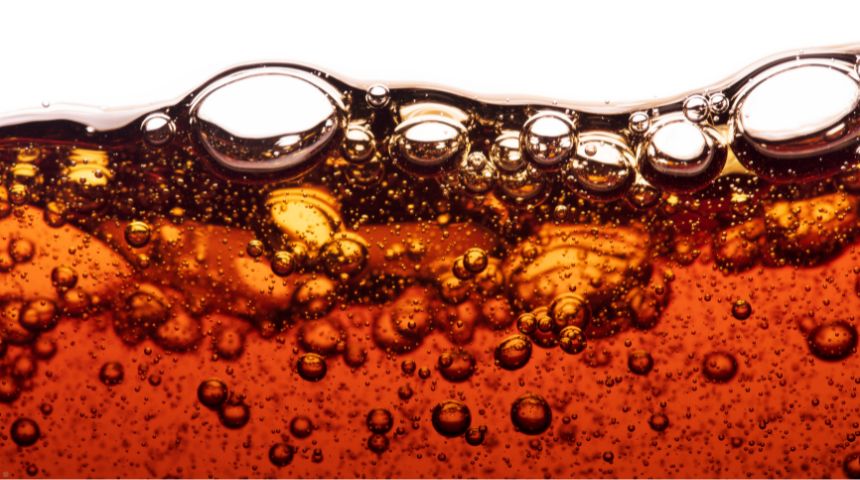
Sodas are among the most harmful drinks for people with diabetes. A single 12-ounce can often contains 30–40 grams of sugar, which is equivalent to 7–10 teaspoons. The high sugar content causes a rapid spike in blood glucose, followed by a crash, which can make managing diabetes extremely difficult.
Regular consumption of soda is also linked to obesity, insulin resistance and cardiovascular disease, all of which disproportionately affect people with diabetes. Even fruit-flavored sodas marketed as “lighter" are usually just as bad.
2. Sweetened Fruit Juices
Fruit juice may seem healthy, but most commercial varieties are far from it. Even 100% fruit juice contains a heavy dose of natural sugar without the fiber that whole fruits provide. For example, a glass of orange juice can contain the sugar equivalent of several oranges, but without the fiber to slow absorption.
This rapid glucose spike stresses the body’s insulin response. Over time, frequent consumption can worsen insulin resistance and contribute to weight gain. Diabetics are much better off eating whole fruits rather than drinking juices.
3. Energy Drinks
Energy drinks pack a double punch of high sugar and high caffeine. Some contain more than 50 grams of sugar per serving, along with stimulants like caffeine, guarana and taurine. The sugar leads to immediate blood glucose spikes, while the stimulants can cause increased blood pressure and heart rate—already areas of concern for diabetics.
Energy drinks can also interfere with sleep quality, which in turn affects blood sugar regulation. In short, they offer a short-term jolt but can contribute to long-term complications.
4. Alcoholic Mixed Drinks
Alcohol itself can disrupt blood sugar levels, but when combined with sugary mixers, it becomes especially problematic. Drinks like margaritas, piña coladas or sweet cocktails often contain the sugar equivalent of several sodas.
Alcohol can also mask hypoglycemia (low blood sugar) symptoms, making it harder for diabetics to recognize and respond appropriately. Over time, excessive alcohol use increases the risk of liver disease, neuropathy and other complications.
5. Sweetened Iced Teas and Lemonades
Bottled iced teas and lemonades are often marketed as refreshing alternatives to soda, but they’re typically loaded with added sugars. A single bottle can contain over 40 grams of sugar, rivaling or even exceeding soda.
Even homemade sweet teas with lots of sugar or syrup can have the same effect: rapid spikes in blood sugar and added empty calories. For diabetics, this makes them beverages best left off the menu.
6. Flavored Coffee Drinks
A morning latte or specialty coffee drink might seem harmless, but many café options are essentially liquid desserts. Drinks like frappuccinos or flavored lattes often pack 40–60 grams of sugar, plus whipped cream and syrups that add calories and fat.
For diabetics, this combination of sugar and fat can make blood glucose harder to control and contribute to weight gain. Even some “seasonal" or “light" versions can be surprisingly high in carbohydrates.
7. Sports Drinks
Sports drinks are marketed to replenish electrolytes, but unless you’re an athlete engaged in intense exercise, they’re unnecessary and often harmful. Many popular brands contain around 20–30 grams of sugar per bottle.
For diabetics, the sugar can quickly push blood glucose out of range, without offering much nutritional benefit. Water or low-calorie electrolyte options are a safer alternative.
8. Flavored Milks and Milkshakes
Chocolate milk, strawberry milk and milkshakes are deceptively sugary. While milk contains natural lactose (a sugar), flavored versions often add large amounts of high-fructose corn syrup or cane sugar. Milkshakes add ice cream and syrups, making them particularly high in sugar, fat and calories.
These drinks not only spike blood sugar but also contribute to weight gain and cholesterol issues.
Healthier Drink Options for Diabetics
The good news is that plenty of healthy and refreshing alternatives exist. Here are a few:
- Water. Water is key for hydration. It also helps regulate blood sugar and supports overall health.
- Sparkling water. Choose unsweetened versions flavored with natural essences if you want some fizz without sugar.
- Unsweetened tea. Green, black or herbal teas are calorie-free and packed with antioxidants.
- Coffee (plain or lightly sweetened). Stick to black coffee or add a splash of unsweetened almond or skim milk. Avoid syrups and heavy creamers.
- Infused water. Add slices of lemon, cucumber or berries for a refreshing, naturally flavored drink without added sugar.
- Low-sodium broths. For a savory option, broths provide hydration and electrolytes without the sugar overload of sports drinks.
Maintain a Healthy Diet
For people with diabetes, beverages can be just as critical as meals when it comes to managing blood glucose levels. The best approach is to keep it simple: prioritize water and unsweetened beverages, and treat flavored or sweetened drinks as rare indulgences, not daily staples. By making smarter drink choices, diabetics can better control their condition and improve their long-term health outcomes.
The information on this website is for general educational purposes only and is not a substitute for professional medical advice. Always consult your doctor or qualified healthcare provider before making changes to your health, diet or treatment plan.